Venus – The Divine Feminine
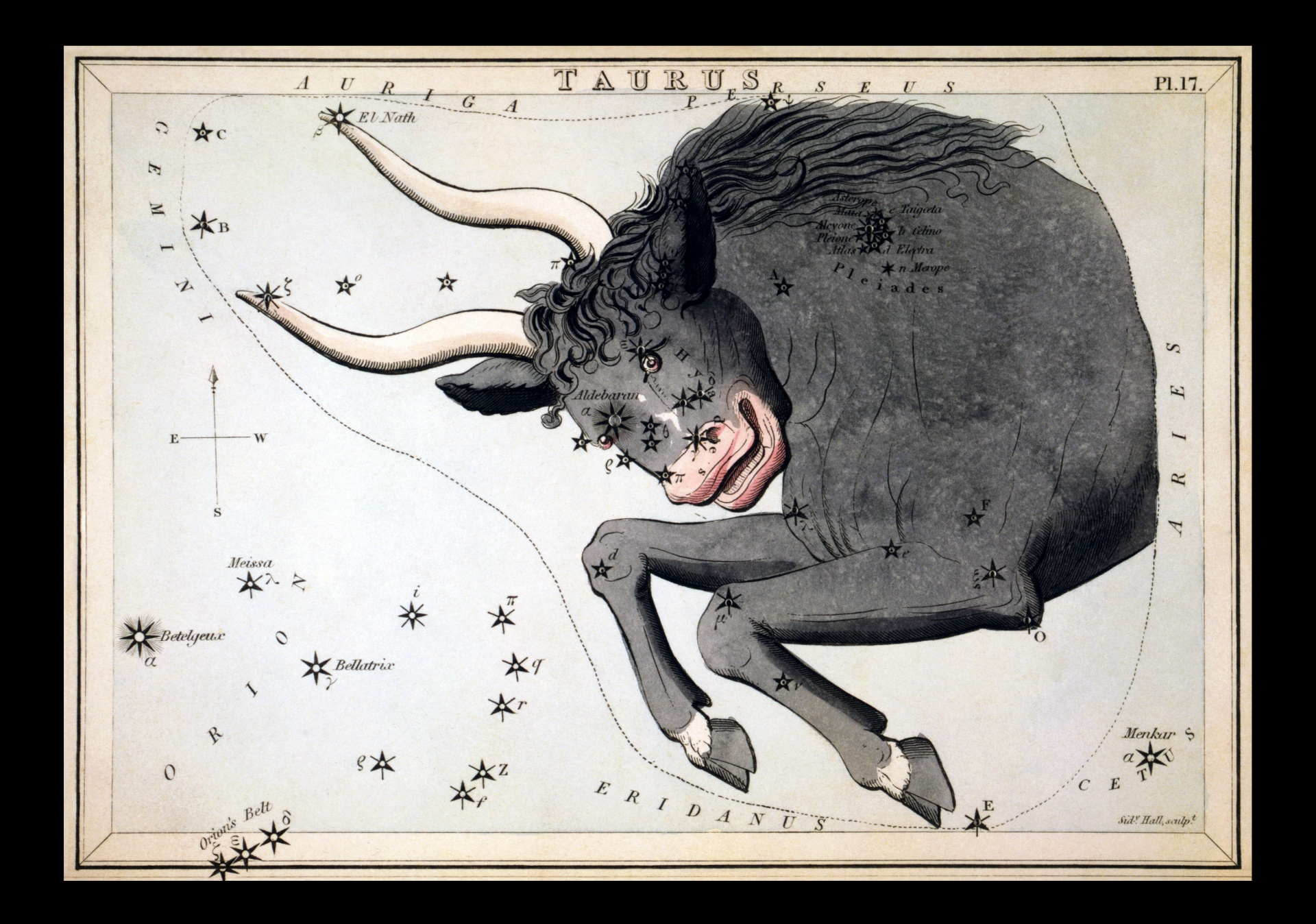
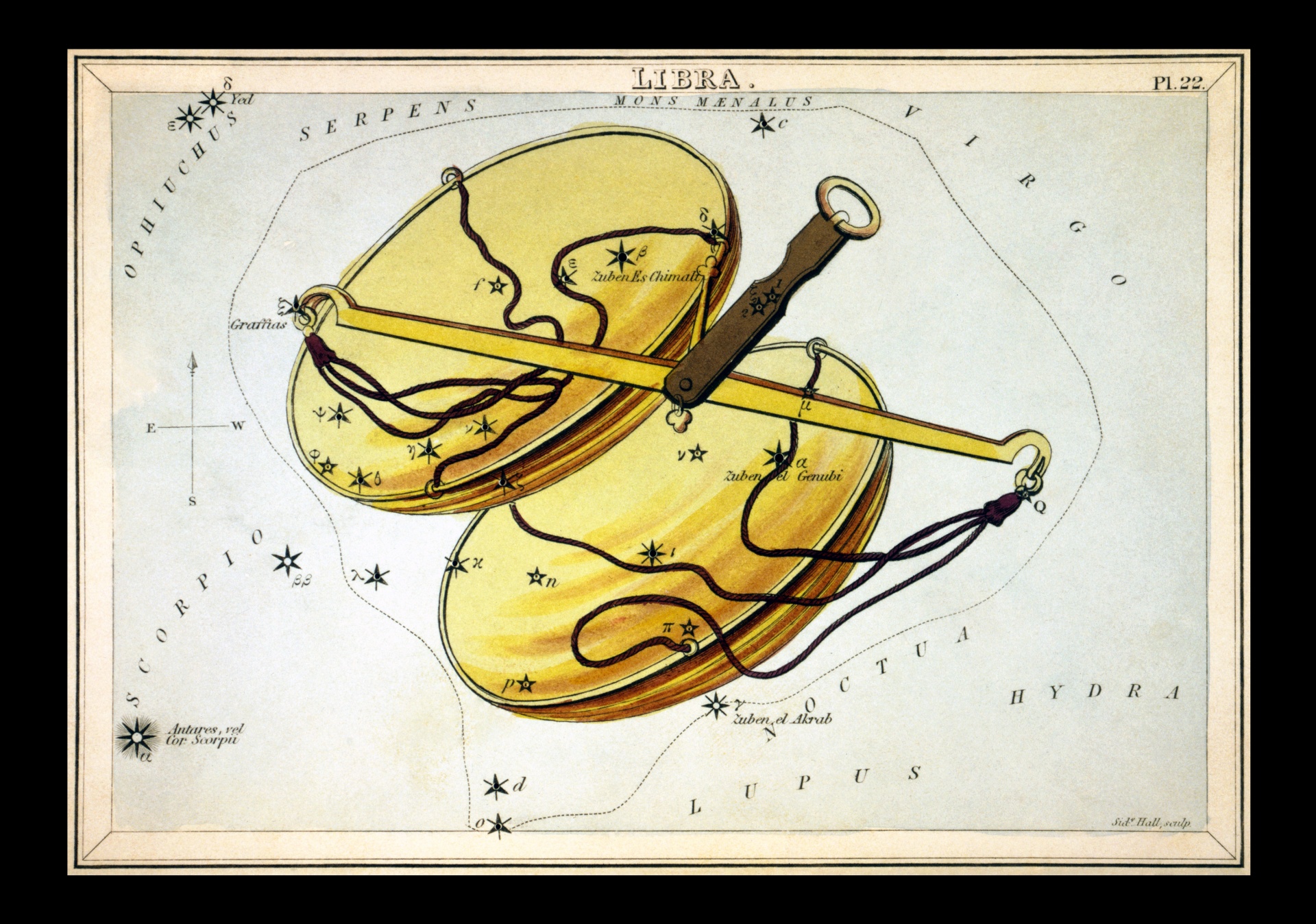
In the celestial dance of planets, Venus shines as a radiant symbol of the Divine Feminine, captivating us with her embodiment of our heart’s deepest desires, love, beauty, creativity, and prosperity. Her celestial sway graces the zodiac signs of Taurus and Libra, bestowing the bull’s earthy essence with a sensual aura and material abundance, while imbuing the scales of balance with a yearning for harmonious partnerships and trusting, loyal bonds.
Venus is regarded as the celestial embodiment of peace, gracing our existence with divine serenity and delicately weaving a tranquil aura around us, alleviating the chaos of mundane life. Her cosmic energy nurtures our souls, infusing them with a gentle, soothing, and harmonious vibration, steering us toward achieving inner equilibrium.
The Venusian realm is a place of ethereal beauty, where vibrant floral arrangements stretch as far as the eye can see. The air carries a delicate fragrance of roses and jasmine, while gentle breezes whisper words of affection. Merging the lushness of nature with the elegance of art, statues of ancient goddesses stand tall amidst flowing fountains, gracefully echoing sentiments of love and creative expression.
In this captivating realm of Venus, a sacred sanctuary awaits, adorned with ponds of vibrant lotus flowers. The lotus flower reigns supreme as a symbol of celestial purity, divine beauty, and enlightenment. It is forever intertwined with the Hindu goddesses Laxmi and Saraswati, who embody the virtues of prosperity, wisdom, and creativity, weaving spells of fortune and inspiration.
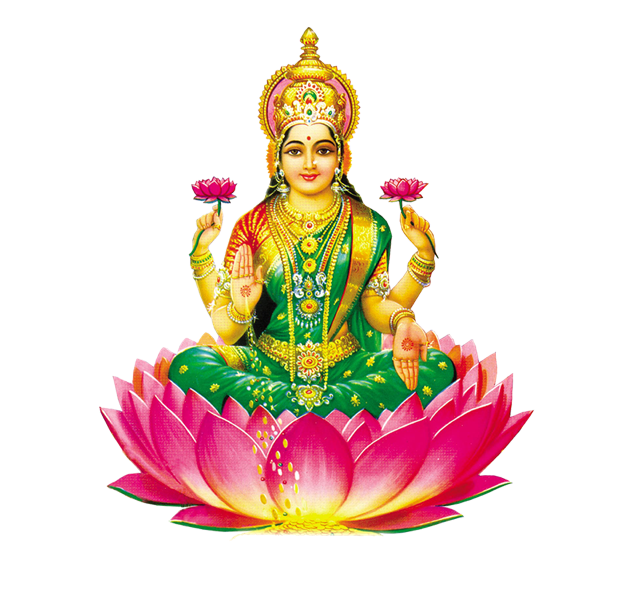
Goddess Laxmi, often depicted seated upon a pink lotus flower, embodies the abundance, prosperity, and material wealth that Venus offers. Her presence reminds us that true wealth transcends material possessions, encompassing spiritual richness and inner fulfillment.
Goddess Laxmi’s divine essence manifests through her eight forms, collectively known as Ashta-Lakshmi. These forms include Adi Lakshmi, the primal force; Dhana Lakshmi, the bestower of wealth; Dhanya Lakshmi, the goddess of agricultural abundance; Gaja Lakshmi, the bringer of prosperity and power; Santana Lakshmi, the goddess of progeny; Veera Lakshmi, the grantor of courage and strength; Vidya Lakshmi, the embodiment of knowledge; and Vijaya Lakshmi, the symbol of victory. Together, they encapsulate the multifaceted nature of prosperity and fortune, guiding us to seek a holistic balance in life.
Intriguingly, the number eight also plays a pivotal role in the celestial dance of Venus, as it aligns with the planet’s synodic cycle, spanning eight years. This fascinating connection is explored in depth later in the article, inviting you to uncover the deeper mysteries of Venus’s cosmic rhythm.
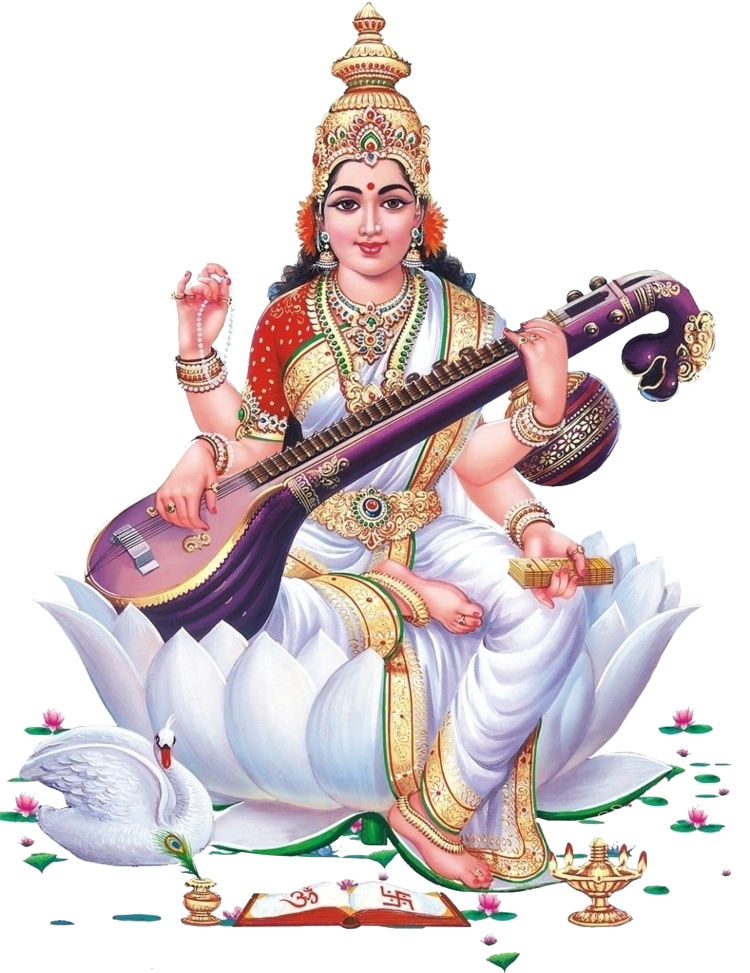
Goddess Saraswati, another divine embodiment of the feminine, is the goddess of knowledge, wisdom, and the arts. She is often depicted seated on a white lotus, symbolizing purity, knowledge, wisdom, truth, and enlightenment. Her association with Venus highlights the importance of creativity, learning, and intellectual pursuit. Goddess Saraswati’s divine energy inspires the flow of creativity and the pursuit of knowledge, urging us to explore the depths of our minds and manifest our ideas into reality. She reminds us that true enlightenment arises from the harmonious blend of knowledge and intuition, of logic and creativity.
The lotus flower, with its petals unfurled like a holy offering, bears a message of transcendence and grace. Forged in the murky depths of life’s tribulations, it blooms with unblemished purity—a reminder that beauty and resilience can arise from the muddiest of waters. As they float upon tranquil waters, these flowers hold secrets of infinite knowledge, creativity, and abundance, whispering tales that intricately connect the earthly and divine realms.
In the embrace of Venus, the Divine Feminine finds her fullest expression, inviting us to delve into the depths of our hearts and minds, to awaken the goddess within. Through the guidance of Venus, we are encouraged to nurture our inner selves, to seek prosperity and wisdom, and to create a life that resonates with the harmonious symphony of the cosmos.
Venus – The Celestial Artist
Venus, a symbol of love and beauty, graces every facet of nature with her celestial artistry. As the Sun dips below the horizon, the sky becomes a canvas awash with mesmerizing hues and breathtaking sunsets, a tribute to Venus’ heavenly presence. Like an artist’s palette, the sky blushes with a delicate hue of pink, as if nature herself dipped her brush into the very essence of romance. The cotton candy pinks blend seamlessly with strokes of golden orange, crafting a visual masterpiece that captivates the soul.
As the Sun begins its descent, it casts a warm glow upon everything it touches. In this luminous tableau, Venus, in her evening star form, stands out against the pastel backdrop, a radiant jewel set in the expanse of the sky. Her presence tells a beautiful bedtime story about our universe, inviting us to gaze upon the Milky Way and recognize the universe as a constantly flowing river of abundance and love. This celestial river is drawn to the purity and beauty within our hearts, carrying us to enchanting realms where dreams are born. In these realms, we feel valued, appreciated, and truly seen, embraced by beings who love, support, and cherish us unconditionally.
The Dazzling Dance of Venus
As we continue our celestial observation, an enchanting phenomenon unfolds: the mysterious disappearance and triumphant reappearance of Venus. Luminous and alluring, she vanishes for a few ephemeral days, only to reemerge like a celestial phoenix reborn, casting her radiance as the majestic morning star. This spectacle is a dazzling choreography orchestrated by the heavens.
As Venus orbits closer to the Sun than Earth, she stretches her supernal wings to their utmost brilliance. Once seized by the sun’s fiery splendour, her dazzling beauty becomes disguised, camouflaging herself within the heavens. Unseen by our watchful eyes, she maneuvers to the other side of the sun, aligning herself with our home planet. Thus, she assumes her new role as the morning star, adorning the heavenly realm as the herald of dawn, graciously guiding us towards the first light of a brand-new day.
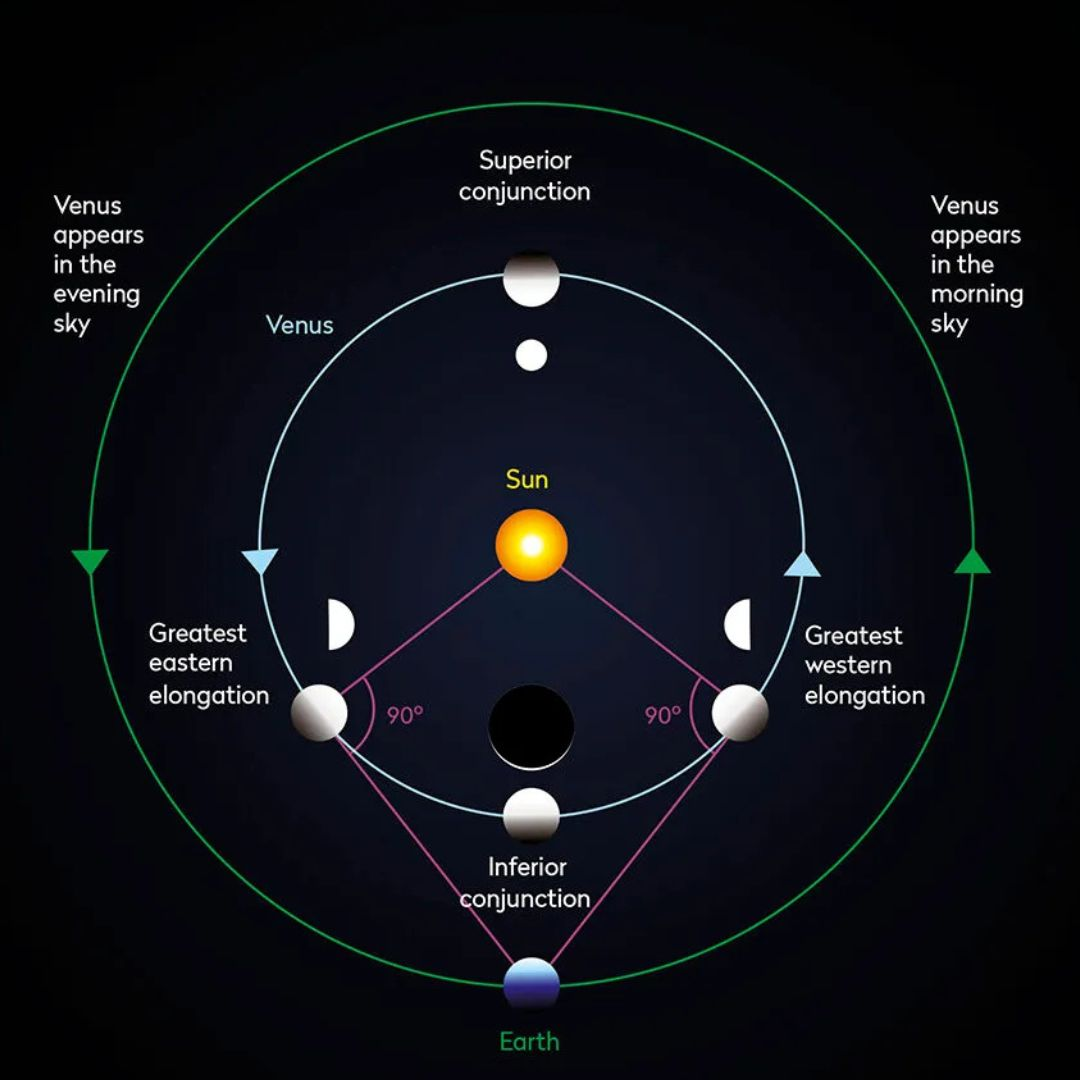
Venus shines as a morning star for about 263 days, reaching its greatest elongation west from the Sun. She then vanishes for around 50 days before reappearing as an evening star for another 263-day period, reaching its greatest elongation east. After eight days of invisibility, Venus returns as a morning star, completing the 584-day cycle.
Venus undergoes a superior conjunction when it passes directly behind the Sun, while an inferior conjunction occurs when it passes between Earth and the Sun.
The Celestial Pentagram
As Venus, the celestial artist, gracefully revolves around the Sun following its elliptical orbit, she appears to trace a beautiful five-petaled flower, forming a stunning celestial pentagram. This mesmerizing pattern has fascinated humanity for centuries, drawing both scientific and mystical interests alike.
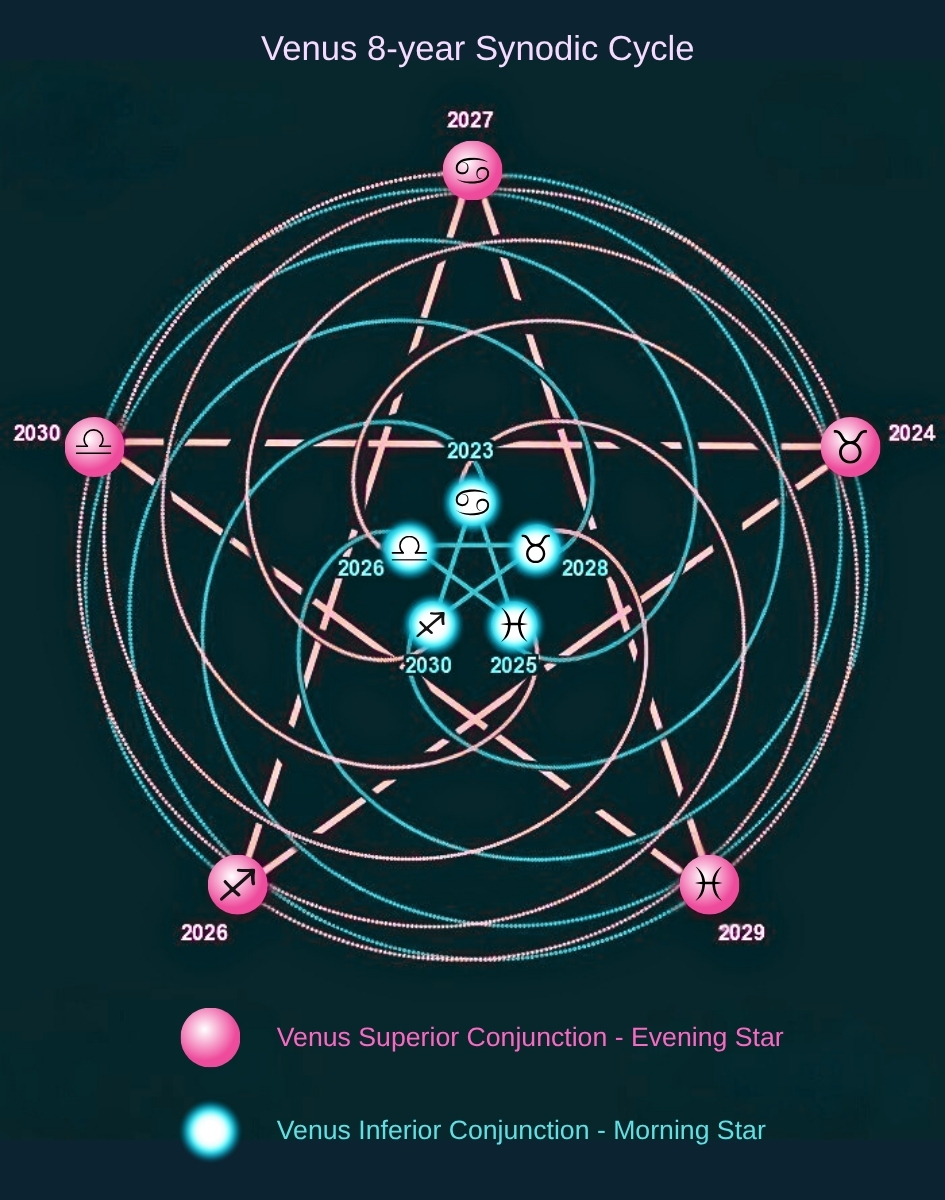
The Pentagram of Venus is the path she appears to follow when viewed from Earth. Venus’ inferior conjunctions occur at a regular interval of approximately 13 to 8, meaning Venus orbits the Sun around 13 times for every 8 orbits made by Earth. At each inferior conjunction, Venus shifts 144°, creating five loops that converge at the center of the figure. These loops’ tips share the same geometric relationship as the five points of a pentagram.
The enchanting Venus synodic cycle, spanning eight years, begins when Venus aligns with Earth and the Sun, appearing as the Morning Star. Over approximately 584 days, Venus revolves around the Sun, showcasing its splendid phases resembling those of the Moon.
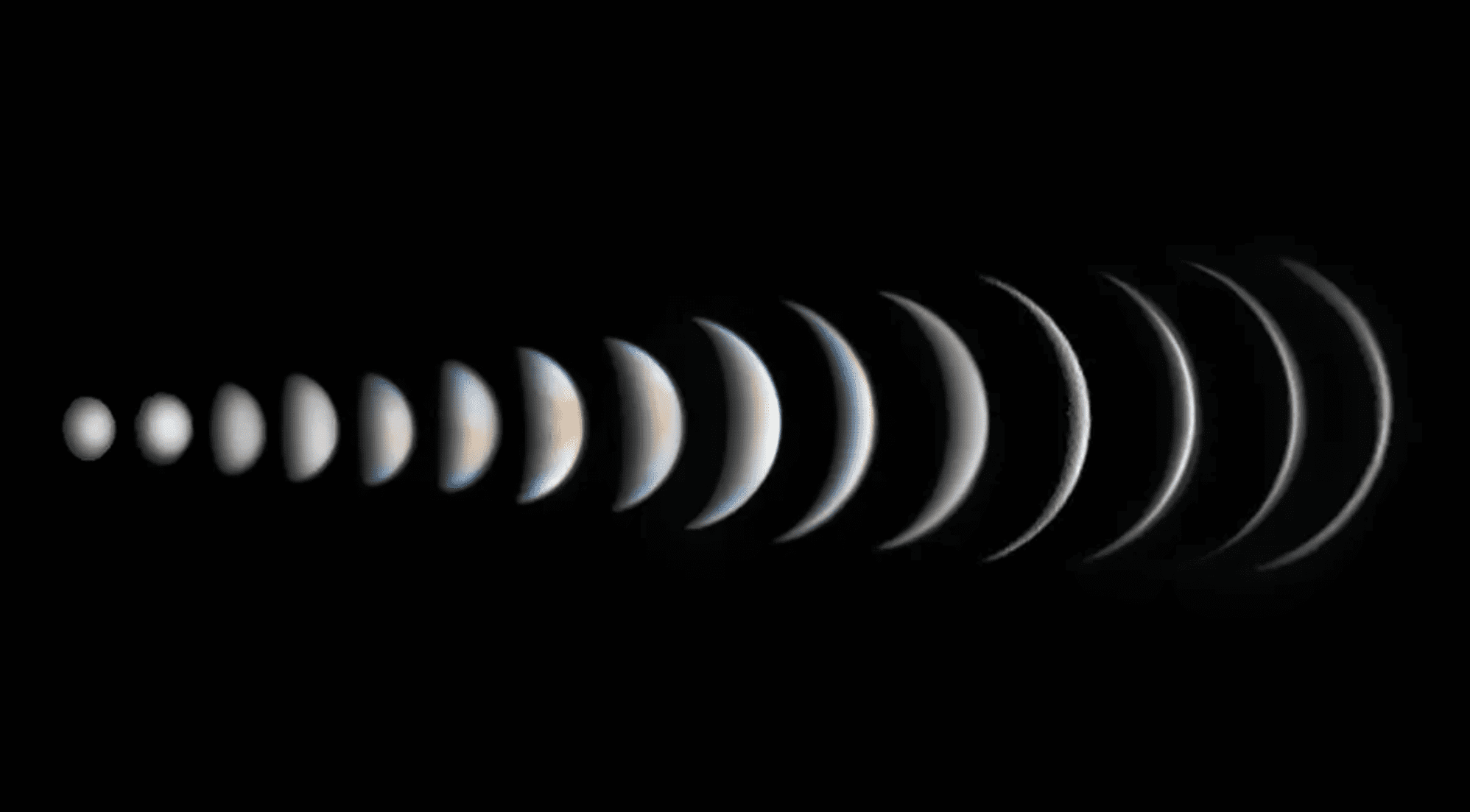
When this period ends, Venus reaches its conjunction with the Sun, briefly disappearing from view. After this celestial rendezvous, Venus reemerges as the Evening Star on the opposite side of the Sun, initiating a new cycle.
This rhythmic repetition of the heavenly dance creates a series of pentagrams when the positions of Venus align every eight years, awakening ancient goddess energy and enhancing our connection to the divine feminine.
Venus and the Goddess Ishtar
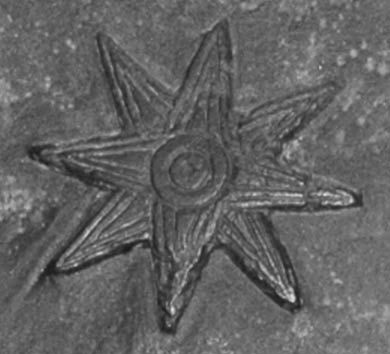
The synodic cycle of Venus, spanning eight years, is deeply linked to the ancient Mesopotamian goddess Inanna, also known as Ishtar. Her revered symbol, the eight-pointed star, is seen as a representation of divine protection and guidance. Inanna, often associated with love, beauty, and war, held immense significance due to her connection with Venus, the morning and evening star. This bond was rooted in the belief that she embodied the power and radiance of the celestial body.
In the ancient Mesopotamian myth, the powerful Goddess Ishtar embarks on a perilous journey to the underworld. As she descends into the realm of darkness and death, Ishtar relinquishes all her jewels, garments, and earthly possessions. Symbolic of her power and beauty, Ishtar’s jewelry represents the worldly attachments humans possess. By removing these ornate treasures, she strips herself of material desires, focusing solely on her quest for wisdom and enlightenment.
This myth finds a parallel with the vanishing of Venus during certain phases of its orbit around the Sun. Just like Ishtar’s jewelry, Venus’s disappearance from the sky reminds us to detach ourselves from the material world and seek the deeper meaning hidden within. It prompts us to reflect on the impermanence of physical possessions and encourages us to find value in the intangible aspects of life.
As Venus completes her journey and returns to her starting point after eight years, devotees of Ishtar saw the cycle as an opportunity for personal growth, spiritual development, and rebirth, echoing the celestial artistry that Venus so magnificently embodies.
Venus – The Goddess of Love
Venus, the ruler of Libra and the natural ruler of the Seventh House, casts her enchanting glow upon the world of relationships and harmony.
The essence of Venus, the goddess of love, is beautifully reflected in the tender bond between two lovebirds, who select each other as lifelong companions. These charming creatures serenade one another with melodies that resonate with heartfelt devotion, their songs a tribute to a love that transcends words. Just as these lovebirds find strength in their harmonious unity, Venus embodies the enduring romantic ideals that have captivated human hearts for centuries. Their unwavering loyalty and affection mirror the romantic ideals that have long been associated with Venus herself, a beacon of love and fidelity.
Venus effortlessly embraces every love language known to humanity. Her expressions of love flow naturally, from grand gestures of gifts and acts of service to intimate moments filled with quality time, loving words, and physical affection. Each gesture, each word, is a manifestation of the divine love that Venus embodies.
Gifts cascade from her delicate fingertips like stardust, showering lovers with tokens of adoration that symbolize a bond woven from pure love. These offerings are not mere material possessions, but symbols of the deep connection that binds two souls together. With unparalleled grace, Venus intertwines acts of service into the fabric of devotion, performing deeds that speak louder than words—be it preparing a heartfelt dinner or soothing a weary soul with a gentle touch.
Her words, dripping in sweet affection, breathe life into the silent air, infusing it with warmth and tenderness. They are whispers of love that linger in the hearts of those who hear them, echoing the timeless truth that love is a force beyond measure. Venus beckons us to tap into her cosmic energy, urging us to express our love in myriad ways. She reminds us of the immense power of love, a force capable of transcending barriers and conquering obstacles, inspiring us to embrace its boundless possibilities.
Through Venus, we are encouraged to explore the depths of our own hearts, to discover the infinite ways in which we can express our affection and devotion. Whether through a gentle touch, a kind word, or a thoughtful gesture, we are reminded that love is the essence of our being, the thread that connects us to one another and to the universe itself.
In the embrace of Venus, we find the courage to love deeply and unconditionally, to open our hearts to the beauty and wonder of the world around us. Her divine influence inspires us to transcend the ordinary, to create a life filled with passion, joy, and fulfillment. As the goddess of love, Venus calls us to celebrate the magic of love in all its forms, to cherish the connections that enrich our lives and to honor the sacred bond we share with those we hold dear.
Venus and the Journey to Self-Worth
Venus, the illustrious goddess of love, extends her influence far beyond the realm of romantic connections. As the celestial ruler of Taurus and the natural sovereign of the Second House, Venus guides us toward self-love, self-worth, and the inner treasures that reside within our hearts. Before we can truly love another, we must first embark on the journey of loving ourselves. Only then can we fully embrace the divine essence of Venus, the goddess of love and self-worth. Her celestial presence nudges us to cherish our inner worth, rolling out the red carpet for abundance and prosperity, transforming our existence into a seamless blend of fulfillment.
Embracing Our Inner Value
With her radiant aura, Venus opens a gateway to a realm where our deepest desires and boundless beauty come to life. In this magical domain, every dream is within reach, and every wish is fulfilled through the power of attraction.
When we recognise our own worth and treat ourselves with love and kindness, it sets the foundation for a life filled with joy and contentment. Venus reminds us to pursue our passions, do what we love, and create a life that is aligned with our desires.
When self-worth flourishes, we unfurl wings of confidence, hope, and tenacity. Besides, a bountiful self-worth acts as a catalyst for flourishing relationships. Those with an unshakable sense of self-worth are adept at setting and maintaining boundaries, expressing themselves efficaciously and encircling themselves with uplifting souls who enrich their existence.
The Shadow of Low Self-Worth
Conversely, low self-worth can have detrimental effects on an individual’s overall well-being. When one perceives their worth as meager, a shadow of malaise looms over their being, casting doubt on their existence. This negativity, born from a shattered self-image, can stifle potential, sow seeds of self-sabotage, lead to settling for less, and cause aversion to taking risks. A heart burdened by unworthiness can descend into darkness, where the shadows of the mind give rise to afflictions like depression and anxiety.
There are several factors that can contribute to low self-worth. Feeling unloved or neglected as a child is one commonly cited cause. When children grow up in an environment lacking affection, support, or emotionally nurturing experiences, it can lead to feelings of worthlessness or a belief that they do not deserve love or positive attention. When children are denied their material needs, they may grow into adults with a scarcity mentality.
Experiencing abusive or critical treatment during childhood can significantly impact one’s self-worth. Bullying, academic challenges with no support, constant criticism, belittlement, or being made to feel inadequate can create a negative self-perception that persists into adulthood. Constantly measuring oneself against unrealistic standards or feeling the need to fit into certain moulds can result in feelings of unworthiness and low self-esteem.
Cultivating Self-Worth
In a world brimming with comparisons and societal expectations, embracing and valuing oneself is a transcendental act of defiance against the deafening whispers of doubt that can infiltrate our minds. It is a declaration that we are more than the sum of our flaws, transcending insecurities and self-doubt to embrace the unique qualities that make us beautifully human. We become champions of authenticity, fearlessly stepping into our own power, armed with confidence and resilience.
With a fortified sense of self-worth, we gain the courage to create our own dream life, unswayed by the opinions and judgments of others. Like a sturdy anchor, self-worth grounds us, allowing us to weather the incessant storms of life and emerge stronger, wiser, and more steadfast. Having a strong sense of self-worth is an act of radical self-love which becomes the lens through which we view ourselves, and in turn, how the world perceives us.
Aligning with Venus’s Wisdom
Radiant Venus reminds us that we are celestial beings soaring through the cosmos, where dreams manifest into realities and the extraordinary intermingles with the ordinary. Our existence holds immense potential and boundless possibilities. Venus releases us from the shackles of mediocrity, awakening our inner flame and igniting our self-worth.
By aligning with the pure desires of our heart, we can trust in the flow and support of the universe, guided by Venus’s celestial wisdom.
The Test of Venus
In the grand odyssey of life, there exists a celestial assessment known as the Test of Venus, a test unlike any other, a test of discernment and wisdom. Through her shimmering energy, Venus unveils the age-old truth that all that glitters is not gold. Those that seek her enlightenment are challenged to see the true worth of things and beings. In this extraordinary journey, seekers are taught the art of penetrating facades and identifying the authentic from the counterfeit and to discover the diamond in the rough.
In our human experience, we are often met with glittering masks that hide the maladies within. The Test of Venus is a challenge that calls for a discerning eye, one that can cut through the illusion of glamour and recognize the intrinsic value of a person or an object.
The Test of Venus is far from a mere superficial examination or a beauty contest. It delves into the intricacies of a person’s spirit, illuminating their inner essence that often lies obscured beneath societal masks. The worth of an individual lies not solely in their appearance or social status, but in the depths of their heart and the beauty of their soul. Venus, the spiritual arbiter of this celestial trial, imparts this wisdom upon her seekers as they watch in awe.
But the Test of Venus does not restrict its evaluation solely to people. It extends its boundless influence to the realm of objects and ideas as well. A golden chalice, studded with precious gems, may seem resplendent at first glance. However, through Venus’s discerning gaze, its true worth is revealed – a vessel brimming with rich stories and noble history, endowing it with a value that far surpasses the sum of its parts. A dusty old book, with yellowed pages and a worn leather cover, may appear unremarkable to the casual observer. However, when subjected to the Test of Venus, its true value is exposed. Each page is filled with the passionate musings of its author, offering insights into the human condition that are both profound and timeless. The book may be worthless in terms of monetary value, but its true worth lies in the wisdom and knowledge that it contains. The glittering radiance of a painting, adorned with a gilded frame, may lure the eye with the promise of a rare masterpiece. But as the veil lifts, it is revealed to be a mere print of a mass-produced image.
In this magical examination hall, Venus teaches us to cast aside surface-level judgment, to peel away the layers of deception and illusion that shroud our perception. For it is within these depths that we uncover the hidden treasures of existence.
While adorning ourselves with finery and manicured elegance may garner fleeting glances, it’s the beauty that springs from our soul that lingers. When we are too immersed in the pursuit of superficial appearance, we risk losing our sense of self and becoming mere caricatures of others’ expectations. Our connections become shallow and our interactions lifeless.
Popular support does not always reflect the depth of character and self-worth that a person possesses. The virtues of the soul may not always align with the whims of the masses. Our values, on the other hand, are the bedrock of our personality and destiny. They serve as our guiding principles, steering our course, shaping our character and weaving our fate. When it comes to the sanctity of our relationships, values stand as the guardians of our hearts, choosing who we invite to our inner sanctums. It is natural for our values to dictate who we allow in our lives, and we must trust our moral compass to filter out those who are not in alignment.
When we nourish our inner beauty, we radiate an ethereal aura that transcends the physical realm. For the ephemeral nature of physical beauty fades with time, but the inner beauty blossoms into a timeless and enduring enchantment.
Those who pass this celestial test earn a place among the select few, for they have grasped the profound power of true discernment that extends far beyond the shores of Venus, resonating with cosmic vibrations across the universe.
The Dark Enchantment – Venus’s Shadowed Mirror
While Venus is often celebrated for her celestial beauty and grace, her influence also casts shadows that reveal the complexities of human nature. These shadow manifestations of Venusian energy tap into the darker facets of our desires and aspirations. They remind us that within the pursuit of love, beauty, and harmony lies a potential for vanity, manipulation, and disillusionment.
In a tale as timeless as the stars, the Evil Queen from Snow White stands before her enchanted mirror, seeking validation and reassurance in her relentless quest for beauty and power. Much like this iconic villain, many become ensnared by the superficial allure of beauty and vanity, allowing it to overshadow their pursuit of inner growth and wisdom.
Within the depths of human desires lies a profound duality—the potential for both creation and destruction. This complex interplay defines the intricacies of human nature. Like a ravenous flame, our desires can either light the path to enlightenment or consume us in the shadows of moral decay. The misuse of Venusian energy can seduce individuals towards the darkest corners of their souls, where vanity and narcissism reign supreme.
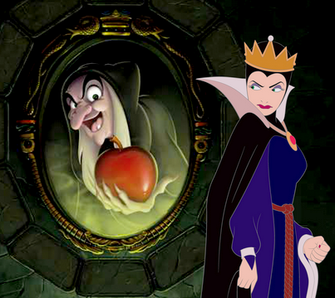
The reflection in this Venusian mirror reveals a swirling vortex of malevolence, where the superficial allure of physical beauty eclipses the pursuit of inner growth. Many become ensnared by their own appearances, neglecting the richness of their souls. Some wield their beauty and charm as tools of manipulation, exploiting others for personal gain. Beneath their captivating facades, however, lies an insidious heart, as black as midnight, dripping with deceitful intentions. Their souls become endless abysses, devoid of empathy or compassion. Envy, like a venomous serpent, slithers through their lives, breeding discontent and covetous desires for the qualities they lack.
In a world where trust is a precious gem, treacherous and disloyal souls roam freely, their hearts tangled in a web of deceit. Disloyalty is a heavy burden to bear, weighing down the conscience and gnawing at the soul. Trust is essential for any meaningful connection, yet those who choose deception leave a trail of destruction in their wake. Within this realm, some mortals prioritize material possessions over loved ones, disregarding the needs of those closest to them. Others enter sacred bonds of marriage for the lust of wealth or the allure of beauty. In this masquerade, they craft a facade of joy, while the truth remains hidden beneath a veil of deceit and self-serving motives.
As we navigate the intricate terrain of loyalty and trust, we must also recognize that loyalty, though noble, can come at a cost when placed in the wrong people or things. Misplaced loyalty often exacts a heavy price, compromising our happiness and well-being, and betraying our personal values and self-worth. It leads to a life filled with doubt and a constant questioning of our choices. To remain bound by misplaced loyalty is to willingly sacrifice our own growth and authenticity, relinquishing the essence of who we are.
Beyond vanity and disloyalty, the shadow of Venus also manifests in indulgence and hedonism. When pleasure becomes the sole pursuit, individuals may find themselves trapped in cycles of excess, whether through material greed, addictive behaviors, or emotional manipulation. This constant quest for satisfaction often leads to emptiness, as the true nourishment of the soul remains neglected.
Greed, a shadow lurking within Venus’s realm, manifests as an insatiable hunger for more—more wealth, more power, more beauty—driving individuals to forsake their moral compass in pursuit of material gain. This consuming desire eclipses genuine fulfillment, leading to a hollow existence where personal connections and ethical considerations falter under the weight of avarice. In the quest for excess, the essence of humanity becomes lost, as relationships are reduced to mere transactions and true contentment remains perpetually out of reach. Greed, thus, serves as a poignant reminder of the dangers inherent in neglecting the balance between desire and virtue, urging us to seek a richer, more meaningful existence beyond the lure of the material world.
The shadow of Venus can also foster a fear of vulnerability. In hiding behind masks of perfection, individuals distance themselves from genuine connections, fearing the exposure of their true selves. This fear perpetuates cycles of isolation and unfulfilled relationships, as intimacy is replaced with surface-level interactions.
In embracing the light and shadows of Venus, we are called to transcend the superficial and seek a deeper understanding of our desires. By acknowledging and confronting these shadow qualities, we can transform them into catalysts for growth, leading us toward a more authentic and fulfilling existence.
Planetary Dignities: The Spectrum of Astrological Expression
Planetary dignities play a crucial role in shaping how celestial bodies influence individual experiences and expressions. These dignities offer insight into the ease or challenges of embodying a planet’s energies.
Each planet has specific placements that enhance or diminish its influence, known as dignities. A planet is considered to be in its “home” or “domicile” when it resides in the sign it naturally rules, granting it strength. “Exaltation” refers to a sign where a planet is particularly powerful, though not its ruling sign. Conversely, when a planet is in “fall,” it is in a sign opposite to its exaltation. This position can lead to challenges as the planet struggles to express its true nature, often leading to weakened influence. Finally, “detriment” occurs when a planet is in the sign opposite its home, resulting in a diminished ability to exert its influence. In detriment, a planet may face significant obstacles, making it difficult to fully embody its energies.
To accurately assess the influence of celestial bodies in terms of planetary dignities, one must rely solely on the sidereal zodiac, as the tropical zodiac distorts and misrepresents their true celestial positions.
In Vedic astrology, these concepts are described using terms such as “Uccha” and “Neech.” When a planet is in a sign that enhances its influence, it is said to be in “Uccha” or exaltation, where its qualities are amplified and it operates at its highest potential. Conversely, when a planet is in its “Neech” or debilitation, it is in a sign that diminishes its power, leading to struggles in expressing its natural characteristics. “Swakshetra” is the term used when a planet is in its own sign, akin to domicile, allowing it to express its energies fully and harmoniously. On the other hand, when a planet is in “Parakshetra,” it is in a sign ruled by another planet, similar to detriment, where its influence is weakened, and it may face hurdles in manifesting its inherent qualities effectively.
In astrology, exalted planets often conjure the perception that individuals with such placements are inherently evolved in those planetary energies. However, exaltation does not necessarily indicate spiritual or moral superiority; it simply suggests an ease and proficiency in expressing the planet’s characteristics. For example, a person with an exalted Venus might navigate relationships with charm and allure, but this doesn’t inherently mean they have a deeper understanding of love.
On the other hand, planetary debilitation doesn’t imply a lack of evolution. Instead, it represents a challenge in expressing the planet’s energy. Individuals with debilitated planets may encounter obstacles, yet these challenges can lead to profound insights and strengths. For instance, Mars in Libra is considered debilitated and might manifest as a tendency to avoid conflict. However, this placement can also cultivate a remarkably brave individual who fights for justice, understanding that true peace requires fairness.
This contrasts with those who have planets in exaltation or their home signs, where ease can sometimes result in complacency or misuse of the energy. Such individuals might take their natural abilities for granted and fail to pursue deeper growth. Thus, exaltation and debilitation reflect the ease or difficulty in expressing a planet’s qualities, rather than the individual’s moral or spiritual evolution. Those who grow despite challenging placements often develop a refined understanding and a powerful ability to harness those energies for the greater good.
Venus’ Home Signs: Taurus and Libra
Taurus: The Earthly Sanctuary
In Taurus, Venus luxuriates in the realm of the senses, where her affinity for earthly delights and material comforts is fully expressed. Taurus, an earth sign ruled by Venus, is a place where beauty is tangible and sensuality reigns supreme. Here, Venus manifests in the form of lush gardens, sumptuous feasts, and the tactile pleasures of life. The bull’s steadfast nature reflects Venus’ desire for stability and security, creating an environment where love is nurtured and allowed to grow. In Taurus, Venus teaches us the importance of savoring the present moment, finding joy in the simple pleasures of life, and building a foundation of love that is both enduring and fulfilling.
When Venus is in her home sign of Taurus, the positive manifestations in an individual’s life can be profound and deeply enriching. Individuals with this placement often possess a natural charm and grace that draw others to them. They tend to cultivate a life filled with beauty and comfort, valuing aesthetics and harmonious surroundings. This Venusian influence encourages a strong appreciation for art, music, and all forms of creative expression, enhancing their ability to create environments that are both inviting and serene. Relationships under this influence are marked by loyalty, patience, and a deep-seated desire for lasting commitment. People with Venus in Taurus often have a nurturing presence, offering unwavering support and affection to those they care about, fostering connections that are both intimate and grounded.
Positively, people with this placement often develop a healthy attitude towards money, valuing financial stability and security. Their natural charm and grace can attract opportunities for wealth, allowing them to cultivate a comfortable and aesthetically pleasing lifestyle. This Venusian influence often brings a savvy approach to investments, as they appreciate the finer things in life while ensuring their financial decisions support long-term security.
On the shadow side, Venus in Taurus can manifest as possessiveness and a resistance to change. The desire for stability might lead to clinging to relationships or situations that are no longer healthy, simply for the sake of comfort and security. There can be an overindulgence in material pleasures, leading to a focus on accumulation and the external trappings of success rather than deeper emotional fulfillment. This placement might also foster stubbornness, where individuals become set in their ways, making it difficult for them to adapt to new circumstances or embrace necessary change. The pursuit of pleasure can sometimes overshadow more pressing responsibilities, causing an imbalance in their life that hinders growth and personal development.
This placement can manifest as financial possessiveness and a reluctance to change financial habits, even when they prove ineffective. The desire for material comfort might lead to overspending or accumulating possessions as a way to feel secure, which can overshadow more meaningful financial goals. There is a risk of focusing too much on external signs of success, such as expensive possessions, rather than cultivating deeper emotional satisfaction. The pursuit of pleasure could lead to neglecting important financial responsibilities, creating an imbalance that hinders their financial growth and overall personal development.
Libra: The Harmonious Balancer
In Libra, Venus puts on the robes of diplomacy and grace, seeking balance and equilibrium in relationships. As an air sign, Libra elevates Venus’ energy to the realm of ideas and ideals, where harmony and fairness are the guiding principles. Here, Venus fosters connections through empathy and understanding, valuing partnerships that are built on mutual respect and shared values. In Libra, Venus encourages us to appreciate the beauty of compromise and collaboration, inspiring us to create relationships that are both harmonious and enriching. Through Libra, Venus shows us that love is not just a feeling, but an art form that requires care, attention, and a willingness to see the world through another’s eyes.
Positive manifestations of Venus in Libra in an individual are often seen in their ability to create and maintain harmonious relationships. These individuals are naturally charming and are gifted in the art of diplomacy, making them adept at resolving conflicts and fostering peace. Their appreciation for beauty and aesthetics is evident in their surroundings, as they have a knack for creating visually pleasing environments. They are fair-minded and strive for balance in all aspects of life, ensuring that both their own needs and those of others are met. This placement encourages a deep appreciation for companionship, equipping the person with the skills to form meaningful, lasting connections.
On the shadow side, Venus in Libra can sometimes lead to indecisiveness, as individuals may struggle to make choices. Their desire to avoid confrontation might result in passive-aggressive behavior or a tendency to placate others at the expense of their own needs. This can lead to a lack of authenticity in relationships, as they might prioritize others’ approval over genuine self-expression. Avoiding conflict at all costs can sometimes result in unresolved issues that undermine the very harmony they seek to maintain.
Being in a codependent relationship can exacerbate these tendencies, as partners may become overly reliant on each other for emotional support and validation. This often results in feeling “joined at the hip,” where one’s identity becomes intertwined with the other, leading to a loss of individuality. Over time, this can create a dynamic where personal growth is stifled, and self-worth becomes contingent on the approval of the partner, diminishing the true essence of both individuals involved.
Venus’ Exaltation in Pisces
In the ethereal waters of Pisces, Venus reaches her exaltation, a position where her qualities are amplified and expressed with a divine touch. Pisces, a mutable water sign, infuses Venus with a sense of boundless compassion and spiritual love. Here, Venus transcends the earthly realm, embracing the universal and unconditional aspects of love. In Pisces, Venus inspires us to open our hearts to the collective experience, to love without boundaries, and to see beauty in the intangible and the unseen. This exalted position allows Venus to channel her energy into artistic and spiritual pursuits, where creativity and imagination know no limits. In Pisces, Venus becomes a beacon of hope and a guide to the divine, reminding us that love is the ultimate expression of our souls.
Venus in Pisces individuals often find themselves naturally inclined towards acts of kindness and empathy, effortlessly connecting with others on a deep emotional level. They possess an innate ability to understand and resonate with the feelings of those around them, making them excellent friends and compassionate partners. Their romantic relationships are often characterized by a dreamy and idyllic quality, as they are able to see the best in others and are willing to forgive and overlook flaws. This placement also encourages a rich imagination, often leading to artistic talents and a unique sense of creativity. Those with Venus in Pisces may find themselves drawn to music, poetry, and visual arts, where they can express their emotions and ideals beautifully. They are often spiritual seekers, yearning for a connection with the divine and finding solace in meditation and introspection.
However, the boundless nature of Pisces can sometimes lead to challenges for Venus in this sign. The desire to see only the good in others can cause individuals to ignore red flags in relationships, leading to potential heartbreak or disappointment. Their tendency to idealize love and romance may result in unrealistic expectations, leaving them disillusioned when reality does not match their dreams. Their compassionate nature might make them vulnerable to being taken advantage of by those who do not have their best interests at heart.
While the allure of Venus can captivate and enchant, it also holds potential for misuse. For instance, individuals with an exalted Venus might wield their charm to manipulate others, drawing them into deceptive webs of false promises. This misuse of Venus energy can manifest in ways that are harmful, such as luring others into dangerous situations under the guise of love or trust, much like a predator exploiting their ability to attract.
Some might drift from one romantic interest to another, never fully committing to a single partner. This lack of boundaries in love can result in entanglements with multiple people, confusing affection with genuine connection. The escapism associated with Pisces can also manifest as a tendency to retreat into fantasy worlds, avoiding practical responsibilities and decisions. To maintain balance, it is crucial for individuals with Venus in Pisces to set healthy boundaries and cultivate discernment in their interactions and relationships.
Venus’ Fall in Virgo
In Virgo, Venus experiences her fall, a placement where her qualities are challenged by the analytical and detail-oriented nature of this earth sign. Virgo, ruled by Mercury, prioritizes precision and practicality, often finding Venus’ indulgence in beauty and pleasure to be frivolous. Here, Venus must learn to navigate the complexities of love through the lens of logic and reason and to refine her desires, focusing on service and self-improvement rather than indulgence.
Virgo is linked to the Sixth House, which governs service, daily routines, and health. Here, Venus, the celestial queen of love and beauty, finds herself in a position that feels more like a life of servitude than sovereignty. Like Cinderella, whose grace and charm were hidden beneath the guise of a maid, Venus in Virgo is called to navigate the mundane and meticulous aspects of life. Instead of being adorned with jewels and silks, she puts on an apron of practicality, tending to chores and responsibilities. The goddess, who thrives on indulgence and pleasure, must now focus on the minutiae of daily life, learning the art of finding beauty in simplicity. This placement strips Venus of her grandeur, placing her in a realm where precision and duty take precedence over opulence and ease.
The negative manifestations of Venus in Virgo can be seen in an overemphasis on perfectionism and critical scrutiny, both towards oneself and others. This tendency can lead to a lack of satisfaction, as nothing ever seems to meet the high standards set by the analytical Virgo influence. Relationships might suffer as a result, with a focus on flaws rather than strengths, and a propensity to nitpick instead of appreciating the whole picture. The desire for order and control can overshadow spontaneity and passion, causing love to become more of a checklist than a heartfelt connection. Additionally, there may be a reluctance to indulge in life’s pleasures, as practicality often takes the lead, leaving little room for the luxurious and leisurely aspects of love that Venus typically enjoys.
Despite these challenges, Venus in Virgo holds the potential for profound positive manifestations. This placement encourages a deep appreciation for the beauty found in everyday acts of kindness and service. It teaches us to value the small gestures that build the foundation of a lasting partnership, such as preparing a loved one’s favorite meal or offering a comforting presence during times of need. Venus in Virgo inspires a commitment to personal growth and self-improvement, fostering relationships that are grounded in mutual respect and shared values.
The goddess of love, when channeled through Virgo’s influence, becomes an embodiment of devotion and reliability, finding grace in the art of nurturing connections that thrive on sincerity and dedication.In Virgo, Venus reminds us that true love is not always about grand gestures, but about the everyday acts of care and devotion that build a lasting partnership.
Venus in Detriment: Scorpio and Aries
Scorpio: The Depths of Passion
In Scorpio, Venus embarks on a journey into the underworld, where her celestial light contrasts sharply with the dark and intense landscape ruled by Mars and Pluto. Unlike her experience in Taurus, where she luxuriates in comfort, security, and stability, Venus in Scorpio delves into the depths of passion and desire, uncovering the complex layers of love that often remain hidden in the shadows. Here, the mantra “light is easy to love; show me your darkness” comes to life as Venus learns to embrace not only the luminous qualities of love but also its darker aspects. In this realm, she must learn to love another in their entirety, shadows and all, navigating the intense ups and downs that come with such profound connections.
On the shadow side, Venus in Scorpio can lead to possessiveness and jealousy, as individuals may struggle with trust and fear of betrayal. The intensity of their emotions might result in power struggles within relationships, where control and manipulation become tools to maintain connection. This can create a cycle of emotional highs and lows, as insecurities fuel dramatic confrontations and emotional volatility.
Conversely, the positive manifestations of Venus in Scorpio are profound and transformative. Individuals with this placement possess a remarkable capacity for deep, soulful connections, valuing authenticity and emotional honesty above all else. Their relationships are characterized by loyalty and a willingness to confront and heal emotional wounds together, fostering bonds that are both powerful and enduring.
Venus in Scorpio is often described as embodying a “ride or die” kind of love—an intense, unwavering commitment that persists through thick and thin. This placement signifies a passion that goes beyond the ordinary, delving into the depths of devotion that many might find daunting. It’s a love that doesn’t just promise “until death do us part” but transcends even that boundary, echoing an “even after death do us part” sentiment.

This profound connection is reminiscent of legendary tales of love and resurrection, where bonds are so deep they seem to defy the constraints of time and mortality. The intensity of Venus in Scorpio ensures that their love is not just a fleeting emotion but a lifelong journey of unity and transformation, echoing the eternal love stories of myth and history.
The placement of Venus reflects the legendary stories of Savitri and Satyavan, a Hindu tale, and Isis and Osiris, an Egyptian myth, where love’s transformative power prevails against the odds. In the story of Savitri and Satyavan, Savitri’s unwavering love and devotion to her husband enable her to confront Yama, the god of death, who is akin to Pluto, the modern ruler of Scorpio, and ultimately bring Satyavan back to life. This narrative illustrates love’s power to transcend the boundaries of life and death. Similarly, the myth of Isis and Osiris tells of Isis’s enduring love and determination to resurrect her husband Osiris after he is murdered and dismembered. Through her efforts, Isis embodies the transformative and redemptive power of love, even in the face of darkness and despair.
In Scorpio, Venus teaches us the importance of vulnerability and the transformative power of love, urging us to explore the depths of our emotions and embrace the shadows within. This placement reminds us that love is not always gentle and serene but can be a force of profound change and healing, challenging us to grow and evolve.
Aries: The Courage to Love
Venus embodies the archetype of the divine feminine, characterized by her inherent ability to attract and her passive, receptive nature. She thrives in environments that allow her to gently draw in beauty, love, and harmony, much like a flower effortlessly attracting bees.
However, when Venus enters Aries—a masculine sign ruled by Mars and marked by action, assertiveness, and a pioneering spirit—she is thrust into a world where her passive qualities are challenged. In Aries, Venus must learn to adopt an active role, taking initiative in matters of the heart and expressing love through bold actions rather than subtle allure. This shift from passive attraction to active pursuit can be both invigorating and disorienting for Venus, as she navigates the fiery landscapes of desire and independence.
When Venus resides in Aries, her natural inclination for harmony and connection can become overshadowed by the impulsive and competitive energy of this fiery sign. Aries is a sign of action and independence, often prioritizing self-expression and personal ambition over partnership. Individuals with Venus in Aries may struggle with impatience in relationships, often seeking immediate gratification and excitement. This can lead to a tendency to rush into romantic connections without fully considering the consequences, potentially resulting in fleeting connections that lack depth. The impulsive nature of Aries can also manifest as a desire for constant novelty and stimulation, making it challenging for these individuals to maintain long-term commitments. The assertive energy of Aries might amplify tendencies toward self-centeredness, causing individuals to prioritize their own needs over those of their partners, which can lead to conflicts and misunderstandings.
Despite these challenges, Venus in Aries offers a unique opportunity for passionate expressions of love. Individuals with this placement often exude a magnetic charm and an undeniable zest for life that draws others to them. They approach relationships with a sense of adventure and enthusiasm, bringing spontaneity and excitement to their interactions. This placement encourages individuals to embrace their authentic selves and to pursue their desires with courage and determination. The boldness of Aries infuses Venus with a pioneering spirit, inspiring individuals to take the lead in love and to break free from conventional norms. This fearless approach to relationships can foster a sense of empowerment and self-discovery, allowing individuals to explore new dimensions of intimacy and connection.
Here, Venus is called to find harmony in the midst of conflict, to balance her need for connection with the drive for autonomy.This placement challenges us to find the balance between self and other, reminding us that love is an adventure that requires both bravery and compromise.Ultimately, Venus in Aries teaches us that love is not just about attraction and harmony, but also about the courage to take risks and to forge our own paths in the pursuit of true fulfillment.
Through her journey across the zodiac, Venus reveals the multifaceted nature of love and beauty, guiding us to explore the depths of our desires and the heights of our potential. Each sign offers a unique expression of Venusian energy, inviting us to embrace the complexity and richness of the human experience.
Mythology of Shukracharya (Venus), the Teacher of Asuras (Demons) in Vedic Astrology
Shukracharya, named after the planet Venus, is a prominent sage in Hindu mythology. His stories are intertwined with lessons of wisdom, devotion, and perseverance. Shukracharya is traditionally seen as the guru or teacher of the ‘Asuras’ or demons while while Brihaspati (Jupiter) is the guru of the ‘Devas’ or gods.
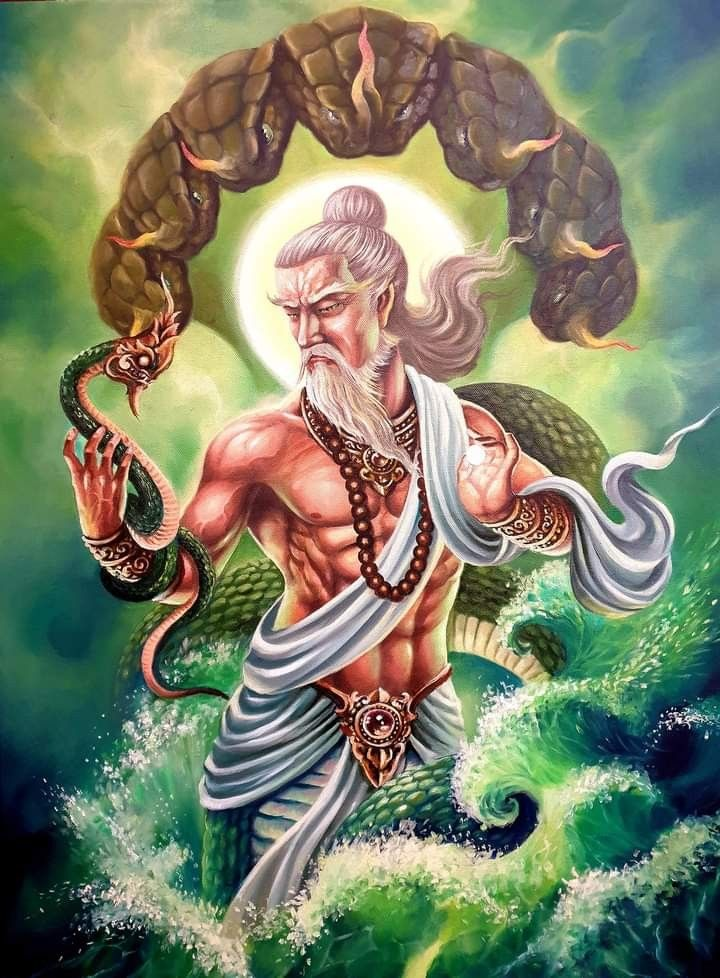
One of the most fascinating myths about Shukracharya involves his unwavering devotion to Lord Shiva. According to legend, Shukracharya undertook severe penance to gain the knowledge and power necessary to revive the Asuras who were killed in battles with the Devas (gods). It is said that he stood on one leg for thousands of years, chanting Lord Shiva’s name with great concentration and fervor. Pleased by his devotion, Lord Shiva bestowed upon him the knowledge of the Sanjeevani Vidya, a mystical mantra that could bring the dead back to life.
A famous story narrates how Shukracharya once tried to outsmart the Devas by imparting the knowledge of Sanjeevani Vidya to the Asuras, thus tipping the balance of power in their favor. However, his wisdom was always meant to maintain cosmic balance and not perpetuate evil.
His decision to teach the Asuras stems from several key motivations and philosophical principles. Shukracharya’s commitment to the Asuras is rooted in his role as their guru. As a teacher and spiritual guide, he felt a profound sense of responsibility to support and protect his disciples, who looked up to him for wisdom and guidance.
The pursuit of Sanjeevani Vidya, a mystical knowledge that could bring the dead back to life, was motivated by his desire to empower the Asuras. By granting them the ability to revive fallen warriors, Shukracharya aimed to level the playing field against the Devas, who often held the upper hand in cosmic battles.
Shukracharya’s teachings were not merely about fostering conflict between the Asuras and Devas but rather about maintaining cosmic balance. In Hindu philosophy, the universe operates on the principle of equilibrium between opposing forces. Shukracharya’s efforts to empower the Asuras were intended to prevent any one side from becoming overwhelmingly dominant, thus preserving the natural order.
Through his actions and teachings, Shukracharya imparted important moral lessons about devotion, perseverance, and the complexities of good and evil. Shukracharya’s own spiritual journey and devotion to Lord Shiva played a crucial role in his decision to aid the Asuras. His penance and the acquisition of Sanjeevani Vidya were tests of his own resolve and devotion, demonstrating the lengths one might go to achieve their goals and fulfill their duties.
Beauty and the Beast: The Asura’s Journey to Enlightenment
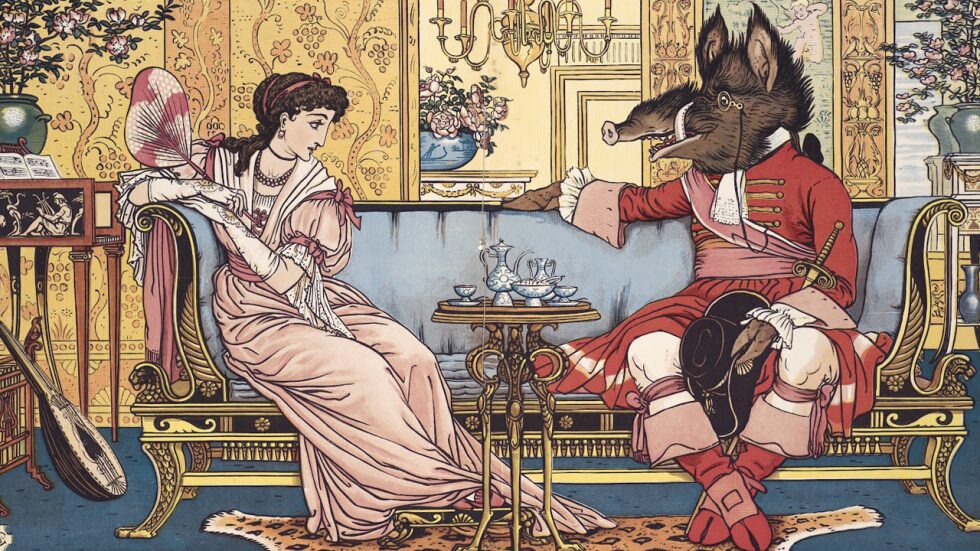
This concept can be beautifully illustrated through the story of Belle and the Beast from “Beauty and the Beast”.
The asuras are known for their strong desires and thirst for chaos and destruction.
However, under Venus’ guidance, they learn to channel their passions towards more constructive pursuits. Venus teaches them the value of inner reflection and self-control, guiding them towards understanding the deeper meaning of love and beauty.

In the story, the Beast initially embodies the traits of an asura— he is aggressive, destructive, and hostile towards Belle. However, Venus, represented by Belle, teaches him the values of love, kindness, and compassion. In a heartwarming scene, Belle teaches the Beast to be gentle and patient while feeding the birds, symbolizing the turning point in their relationship.
With her kind heart, she saw past the Beast’s exterior and recognized the goodness and purity within. Through her influence, the Beast undergoes a transformation, shedding his malevolent nature and becoming a kind and gentle being. At a critical moment, the Beast dies momentarily, only to return to life, similar to the power of the Sanjeevani mantra, the mythical chant believed to restore life. This resurrection symbolizes the power of love and transformation, breaking the curse that had held him captive for so long.
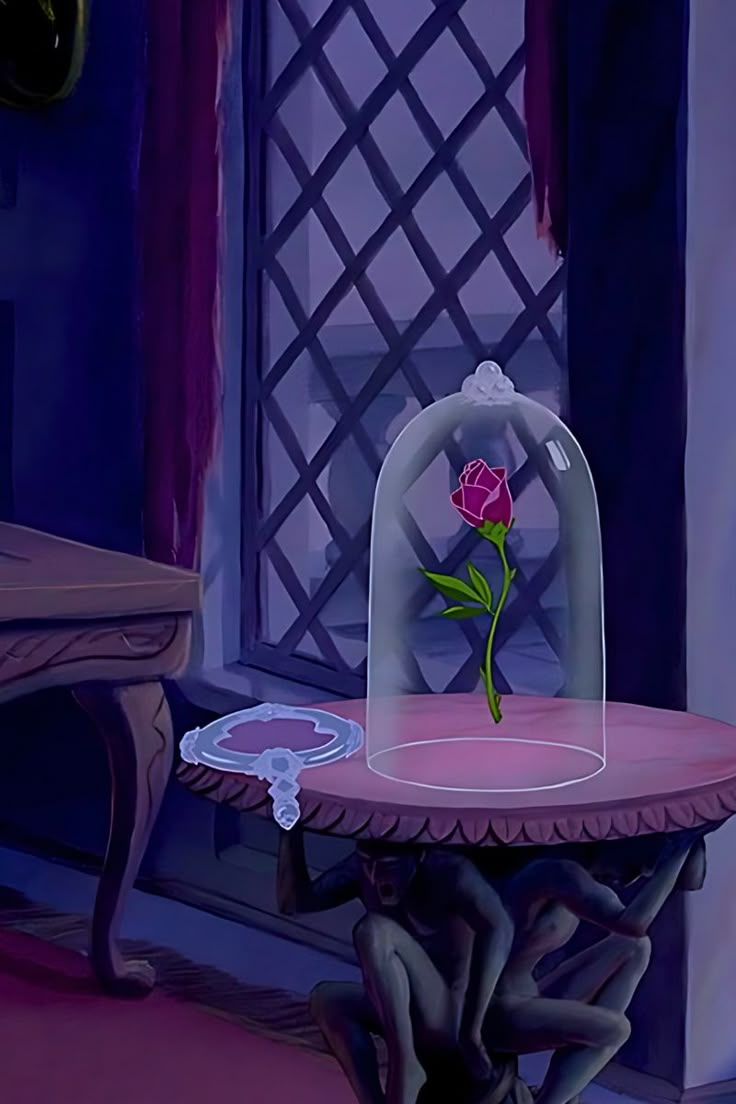
Before the curse, he was handsome but marred by arrogance and a lack of compassion; however, he ultimately became beautiful both inside and out. The Beast was transformed into the handsome prince he once was, and his castle was restored to its former glory. This transformation is symbolic of the power of love to overcome the darkness that can keep one hostage.
As we explore these narratives, we uncover the profound impact of love and wisdom in reshaping destinies and restoring harmony.
The Enchanted Rose
From the divine realm of Venus, descends a wondrous boon – true love. A gem so rare, like a magnificent rose thriving amidst a barren desert, it gleams with a radiance that only a few are granted to behold.
Those who have tasted its sweet nectar know that it’s more than just an emotion; it’s a reminder that the universe is brimming with enchantment and wonder. True love is a jewel of immeasurable worth that must be tended to with utmost care and devotion.
When Venus blesses us with this celestial gift, we’re reminded of the universe’s splendour and the power of love. In our hearts, we carry a piece of her forever. True love is a reminder that magic is still alive in this world, and to experience it is to be graced by the divine.